
LOCAL LLM
Local LLM Build and
Implementation Support
What is a local LLM?A way to run generative AI like ChatGPT inside your own company, without relying on outside services. The data you enter never leaves your company.
Under your company’s control
Provided by
AI vendors
like ChatGPT
Operations & security
People
- Review and approval
- Adoption
UIThe screens people use to work with AI, such as chat or business app screens. (screens)
- Chat
- Business apps
- Existing systems
AgentAn AI that has a role for a specific task and gets the work done using set steps and tools.
- Tasks and steps to delegate
- Tools and permissions
HarnessThe machinery that controls the model. It handles internal document search, tool connections, output checks and more.
- Internal document search (RAGA mechanism that finds internal documents related to a question and has the AI answer based on their content.)
- Tool connections (MCPA shared standard (connection method) for connecting AI to internal systems and tools.)
- GuardrailsA mechanism that checks what goes into and comes out of the AI and stops errors or inappropriate content.
ModelThe core of the AI, which understands and writes text. Also called a large language model (LLM).
- Open modelsAn AI model whose contents are published and that can run on your own hardware. License terms differ by model.
- QuantizationA technique that makes a model lighter so it runs with less memory. Answer quality may drop slightly.
- Custom trainingGiving a model additional training on your own data. (if needed)
Environment
- GPU serversA server fitted with GPUs, the components that speed up AI computation.
- Private cloudA cloud environment dedicated to your company and used cut off from the internet.
- Inference engineSoftware that runs the model and produces answers. How much it can handle depends on its settings.
Power
- Power consumption estimates
- Power supply and cooling
- Power-saving settings
Data
- Internal documents
- Databases
- Business systems
We handle every layer together, from choosing the hardware and model to the agents, the screens and adoption across your company. We also run LLMs in several environments of our own.
WHY LOCAL
Why Companies Consider a Local LLM
“Our internal rules do not allow cloud AI”
“Our contracts with business partners prohibit sending data outside”
“Our work network is not connected to the internet”
“We are not sure going fully local would be worth the cost”

COMPARE
What Is a Local LLM: How It Differs from Cloud Generative AI
The difference is whether the data you enter leaves your company.The seven layers, explained with diagrams
Cloud generative AI
Data goes to an outside AI vendor
- ProAccess to the latest models
- ProQuick to start
- CaveatConfidential data sometimes cannot be entered
Local LLM
Data stays inside your company
- ProCan handle confidential data too
- ProCosts rise little even as usage grows
- CaveatMay fall short of the cloud on advanced reasoning
- CaveatRequires setting up and running the environment
These are general tendencies. We confirm the difference for your own work with a parallel run.
HOW TO CHOOSE
How to Deploy a Local LLM: Three Setups Chosen per Task
You do not need to pick one setup for the whole company. You choose for each task.
Cloud-first
For work with no confidential data. We will not push you toward local.
Hybrid
Only the processing that involves confidential data runs in-house.
Fully local (closed network)
A setup that sends nothing outside at all.
When We Do Not Recommend a Local LLM
- You do not handle confidential data, and cloud AI meets your internal rules
- You need top-tier answer quality above all else
- Your usage is low, so the cost is not justified
Find the Right Setup with 3 Questions
Answered 0 / 3
LAYERS
The Seven Layers of a Local LLM and How We Support Them
They are listed in the same order as the diagram. Layers with no label are ones we build. Open a row to see the details and the evidence.
PeoplePeople who check, and a setup that keeps it in use
We supportWe decide where people check and where AI takes over, and make it stick with training and runbooks.
- Designing review and approval
- Training and handover
From researchOn tasks AI is good at, speed rose by 25.1%; on tasks it is poor at, the rate of correct answers fell from 84.5% to 60–71%.[1]
UI (screens)Screens where you can check the evidence
We build screens that work inside your business systems and apps, where people can check the basis of an answer on the spot and correct it.
- Embedding in business systems
- Showing the sources
From researchAdding citations has been shown to raise trust even when the cited sources have nothing to do with the content.[2]
AgentDecide what to delegate, task by task
We choose between a workflowA mechanism that runs AI and tools exactly according to set steps. that follows fixed steps and a setup where the AI picks the steps, based on the risk of the work.
- Designing the tasks and steps to delegate
- Setting the tools and permissions it may use
From researchEven with state-of-the-art models, the share that succeeded every time when repeating the same task 8 times was under 25%.[3]
HarnessControl the model with layer upon layer of checks
On its own, an open modelAn AI model whose contents are published and that can run on your own hardware. License terms differ by model. only returns text. We control its output with RAGA mechanism that finds internal documents related to a question and has the AI answer based on their content., tool connections via MCPA shared standard (connection method) for connecting AI to internal systems and tools., and guardrailsA mechanism that checks what goes into and comes out of the AI and stops errors or inappropriate content..
- Fixing and validating the output format
- Checking inputs and tools
From researchWith the same model, simply changing the design of the tools raised the task resolution rate from 11% to 18%.[4]
Our track recordWe run our own internal agents on a local LLM, with read-only tools, limits on where they can be used, and activity logs built in.
ModelCompare open modelsAn AI model whose contents are published and that can run on your own hardware. License terms differ by model. on your data and choose
We compare and choose using questions from your own work, not rankings.
- Checking Japanese-language quality and license terms
- Checking quality after quantizationA technique that makes a model lighter so it runs with less memory. Answer quality may drop slightly.
From researchIn a study that quantized a large model and compared it on harder questions, the drop in Japanese-language quality was 1.7% in automatic evaluation but 16.0% in human evaluation.[5]
DataRAGA mechanism that finds internal documents related to a question and has the AI answer based on their content. first, before custom trainingGiving a model additional training on your own data.
We connectWe first check whether RAGA mechanism that finds internal documents related to a question and has the AI answer based on their content. is enough, and carry out additional training (such as LoRAA way to give a model additional training with little computation and hardware.) only when needed.
- Connecting internal documents and databases
- Respecting viewing permissions
From researchIn comparisons of answering from company knowledge, RAGA mechanism that finds internal documents related to a question and has the AI answer based on their content. was consistently more accurate than training the model further on the documents as they are.[6]
EnvironmentVendor-neutral hardware and inference engineSoftware that runs the model and produces answers. How much it can handle depends on its settings. selection
We do not sell hardware, so we can choose without being tied to a manufacturer. We also run LLMs in several environments of our own.
- Testing on private cloudA cloud environment dedicated to your company and used cut off from the internet. GPUsA component that speeds up AI computation. before you buy
- Configuring the inference engineSoftware that runs the model and produces answers. How much it can handle depends on its settings.
- Try smallA few people take turnsA workstation with a GPUA component that speeds up AI computation.
- Department useDozens of people; internal document searchOne GPU serverA server fitted with GPUs, the components that speed up AI computation., or a private cloudA cloud environment dedicated to your company and used cut off from the internet.
- Company-wide useHundreds of people; response-time targetsMultiple GPU serversA server fitted with GPUs, the components that speed up AI computation., or a scalable private cloudA cloud environment dedicated to your company and used cut off from the internet.
From researchOne report found that, on the same hardware, the design of the inference engineSoftware that runs the model and produces answers. How much it can handle depends on its settings. changed how much could be processed by 2 to 4 times.[7]
PowerEstimate power use and cooling before the hardware
We adviseBefore choosing hardware, we put power capacity, heat output and location into the requirements.
- Estimating power consumption and cooling
- Power-saving settings
From researchOne report found that optimizing how models are run cut energy consumption by up to 73%.[8]
Operations & securityEvaluation, monitoring, logging and permissions across every layer
We switch models or settings only after comparing them in a parallel runGiving the same input to both the cloud and the local setup and comparing the results.. Everything is handled by our ISMSCertification under the international standard for information security management systems (ISO/IEC 27001).-certified team.
- User permissions
- Activity logs
- Logs of data sent outside
- Data flow diagram
From researchIn one case, a cloud model with the same name saw its rate of correct answers on a task change from 84% to 51% within 3 months.[9]
Your Role and Ours
| Area | What we ask of you | What we take on |
|---|---|---|
| Work and data | Setting priorities and deciding what may be given to AI | An inventory and a proposed classification |
| Answer quality | Judging whether it is usable for the work | Writing the test questions and tallying the results |
| Environment and power | Deciding the location and getting internal approval | Hardware and power requirements, design and build |
| Operations | An internal point of contact | Monitoring, updates and handover |
OUR PRACTICE
Our Own Example: Choosing Cloud or Local LLM Feature by Feature
In our own business tool, projectAI, we switch where each AI feature is processed. What we propose to you is this setup, which runs every day.
- Processing without confidential dataCloud onlyProcessed by cloud AI
- Processing being considered for migrationParallel runProcessed by both, and the results compared
- Processing with confidential dataLocal firstProcessed locally; sent to the cloud only when that is not possible, with the reason logged
Four Steps to Handing Work to Local
- Run it in the cloud
- Run local in parallel
- People compare the results
- Switch over the features that are ready to hand over
What We Run Today
- Switching is per feature. It takes effect in about 30 seconds, without stopping the system
- Every request sent to the cloud is logged with its reason
- AI costs are recorded in yen by feature and by project
FLOW
How Local LLM Implementation Works
Sort the work and decide the setup
We separate data that may leave the company from data that may not, and decide how AI is used for each task, the model and hardware setup, and the cost outlook.
Even if you stop here, you keep the classification sheet and the proposed setup
Compare in a parallel run
We give the same input to the cloud and to the local setup, and compare answer quality, speed and cost. You can test on a cloud GPU environment before buying hardware.
The test questions can be reused for later model updates
Build the production environment
We set up the environment and the agent features (internal document search, tools, verification, permissions, logging). If you buy hardware, procurement takes additional time.
We also hand over a data flow diagram you can use for internal reviews
Operate it and hand it over in-house
We take on monitoring and model updates. We prepare runbooks and hand over until your team can run it in-house.
We can also continue running it for you
COST & DURATION
How We Think About Local LLM Cost and Duration
Local LLM costs basically range from several million yen to several billion yen. The cost varies greatly with the model used and the environment.
What Drives the Cost
It varies greatly with the model used and the environment
- The model used (size and number)
- The environment (hardware and location)
- Number of users and concurrent users
- Volume of documents handled
- Integration with existing systems
- Who runs operations
With a private cloud, you may be able to start without buying hardware.
Typical Duration
Through validation: from about 1.5 months
- Sorting the work: 1–2 weeks
- Validation in a parallel run: about 1 month or more
- Building the production environment: about 1–3 months
- Operations and handover: ongoing
If you buy hardware, procurement takes additional time.
Consult Us Free, Starting with How Much to Keep In-House
It is fine if you are not yet sure what your rules or contracts require.
Get a Free ConsultationTRACK RECORD
Related Track Record
FAQ
Frequently Asked Questions About Implementing a Local LLM
What is a local LLM?
It is a way of running generative AI on your own equipment or inside a cloud that your company manages. The information you enter is not sent to an outside AI vendor.
How is it different from using a cloud AI API?
With cloud AI such as ChatGPT, the AI vendor owns the layers below the APIA gateway that lets programs call the functions of an outside service. Cloud AI is used through an API. (from the agentAn AI that has a role for a specific task and gets the work done using set steps and tools. machinery down to the hardware and power), and your data is processed there. With a local LLM, every layer sits in an environment your company manages.
What can a local LLM do?
Searching internal documents and rules, drafting replies to inquiries, summarizing meeting minutes, classifying documents, and similar work. The more fixed the format of the work, the better it fits.
Does a local LLM remove the risk of information leaks?
It removes the risk of information going to an outside AI vendor. Internal permissions and activity logs still need to be designed separately, and we include them in what we build.
How does the quality of a local LLM’s answers compare with cloud generative AI?
For fixed-format work such as summarizing and search, it often reaches a sufficient level. It can fall short on advanced reasoning, so we confirm the gap with a parallel runGiving the same input to both the cloud and the local setup and comparing the results. before deciding.
Can we consult you from hardware selection onward?
Yes. The hardware you need depends on the size of the model, how many people use it at the same time, and the length of the documents it reads. With a private cloudA cloud environment dedicated to your company and used cut off from the internet. you can start without buying hardware, and you can also try it before you buy.
Can the model be trained on our own data?
Yes. We first check whether internal document search (RAGA mechanism that finds internal documents related to a question and has the AI answer based on their content.) is enough, and if it is not, we carry out additional training (such as LoRAA way to give a model additional training with little computation and hardware.).
Which model do you use?
We choose from open-source models based on Japanese-language quality, a size that fits your hardware, license terms (whether commercial use is allowed), and the ability to use tools. We decide after comparing them on your own work.
Can’t we just use an open-source model as it is?
You can if all you need is text back. To use it in your work, you need machinery for searching internal data, calling tools, checking output and so on. We handle its design and implementation as well.
How do we choose between on-premises and a private cloud?
If contracts or internal rules require storage on your own equipment, on-premisesPlacing and using hardware in your own buildings and facilities. is the right fit; if you want to start quickly and small, a private cloudA cloud environment dedicated to your company and used cut off from the internet. is the right fit.
How is the cost of implementing a local LLM determined?
It is basically from several million yen to several billion yen, and it varies greatly with the model used and the environment (hardware and where it is placed). We prepare an estimate after also sorting out the number of users and the scope of integration. Consultation is free.
Can it search internal documents and answer from them (RAG)?
Yes. It answers while showing the source documents, and it respects the viewing permissions of each document.
Can you also handle operations and help us bring it in-house?
We take on monitoring and model updates. We can also prepare runbooks and hand over until your team can run it in-house.
Last updated:
Sources (9)
- [1]F. Dell'Acqua et al. “Navigating the Jagged Technological Frontier” Organization Science 2026
- [2]Y. Ding et al. “Citations and Trust in LLM Generated Responses” AAAI 2025
- [3]S. Yao et al. “τ-bench: A Benchmark for Tool-Agent-User Interaction in Real-World Domains” ICLR 2025
- [4]J. Yang et al. “SWE-agent: Agent-Computer Interfaces Enable Automated Software Engineering” NeurIPS 2024
- [5]K. Marchisio et al. “How Does Quantization Affect Multilingual LLMs?” Findings of EMNLP 2024
- [6]O. Ovadia et al. “Fine-Tuning or Retrieval? Comparing Knowledge Injection in LLMs” EMNLP 2024
- [7]W. Kwon et al. “Efficient Memory Management for Large Language Model Serving with PagedAttention” SOSP 2023
- [8]J. Fernandez et al. “Energy Considerations of Large Language Model Inference and Efficiency Optimizations” ACL 2025
- [9]L. Chen et al. “How Is ChatGPT's Behavior Changing Over Time?” Harvard Data Science Review 2024
SERVICES
Other Services
CASE STUDIES
Related Case Studies
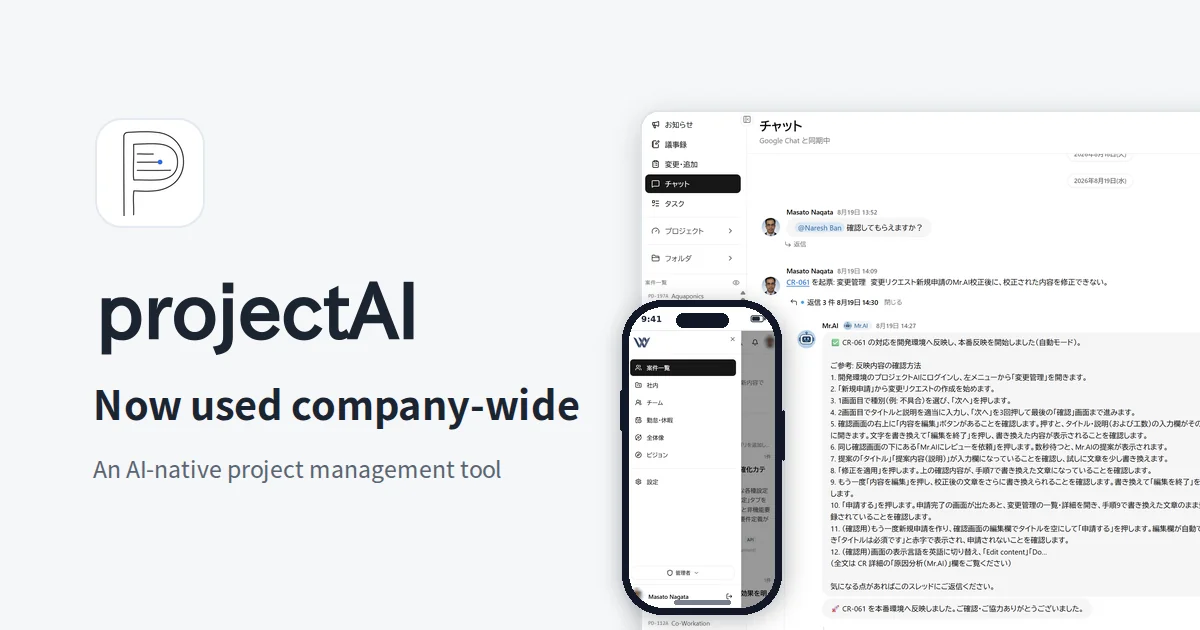
Company-Wide Operations of projectAI, Our In-House Tool with AI at the Core of Business Processes
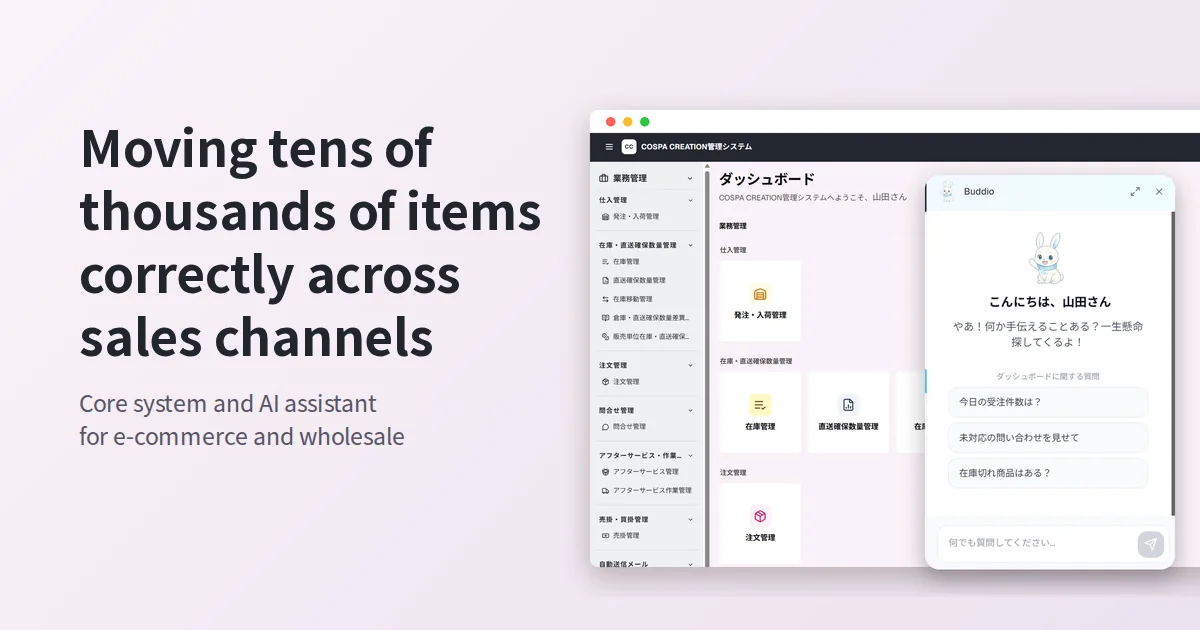
A Core Business System and the Buddio AI Assistant for a Furniture and Interior Wholesaler
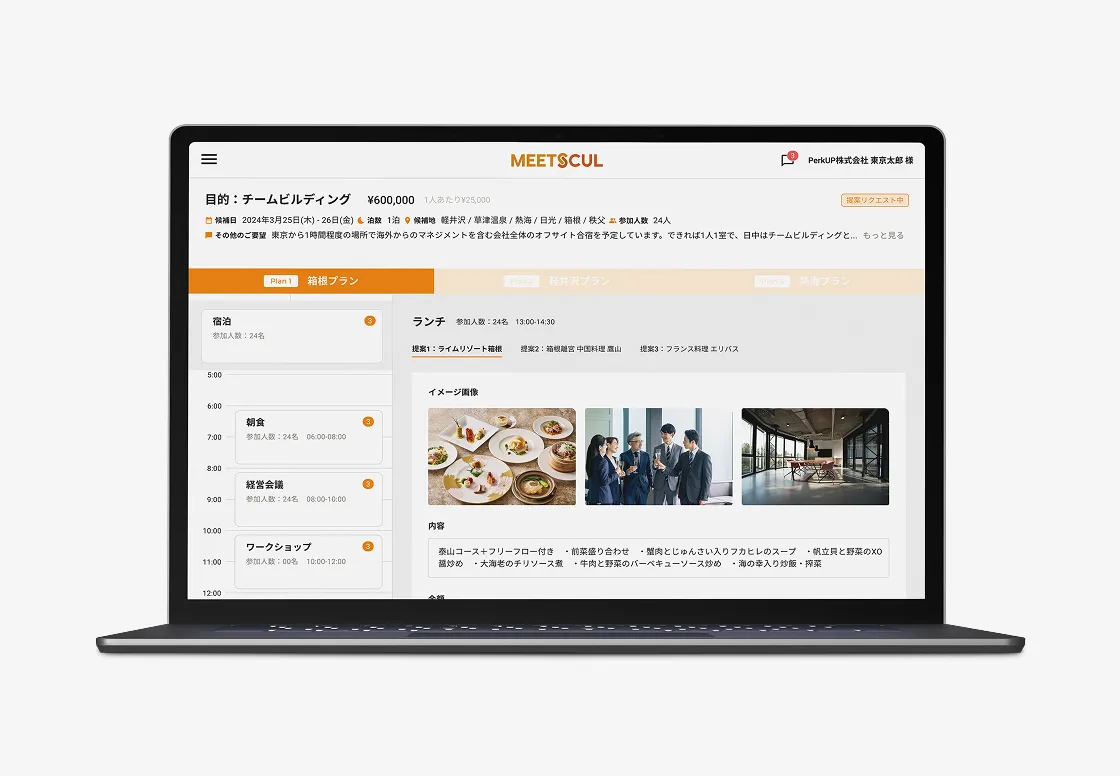
MEETSCUL: An AI Matching Platform Connecting Regions and Companies

Chat-YC: Moving Delivery Inquiries from Phone to Chat
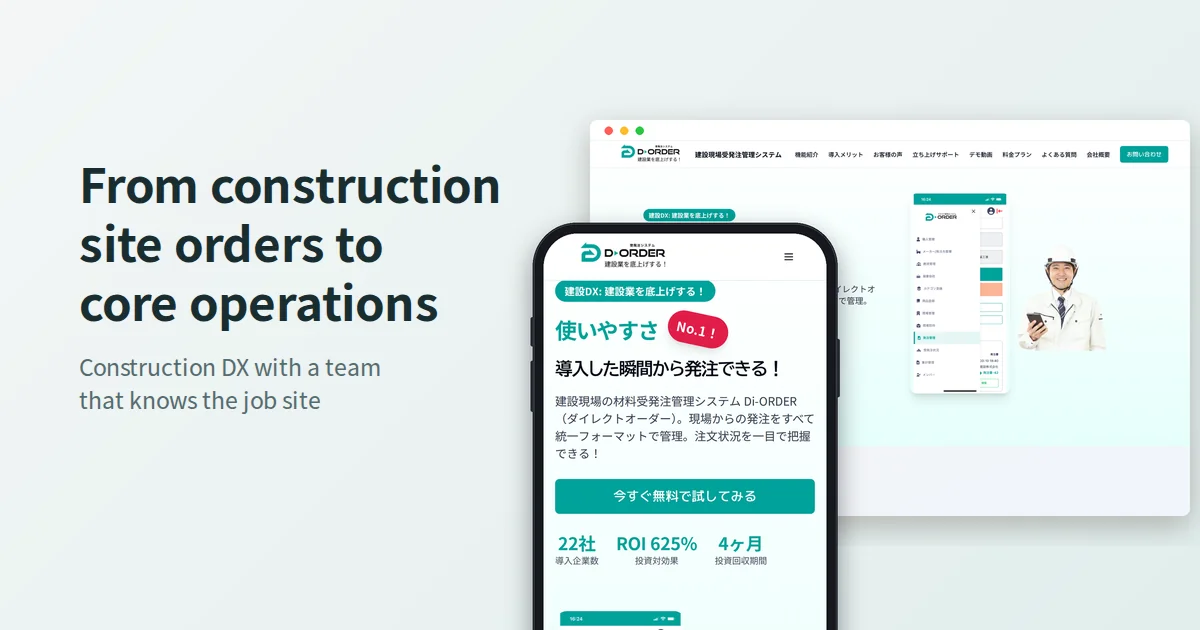
Di-ORDER: Construction DX Connecting Site Ordering to Core Operations
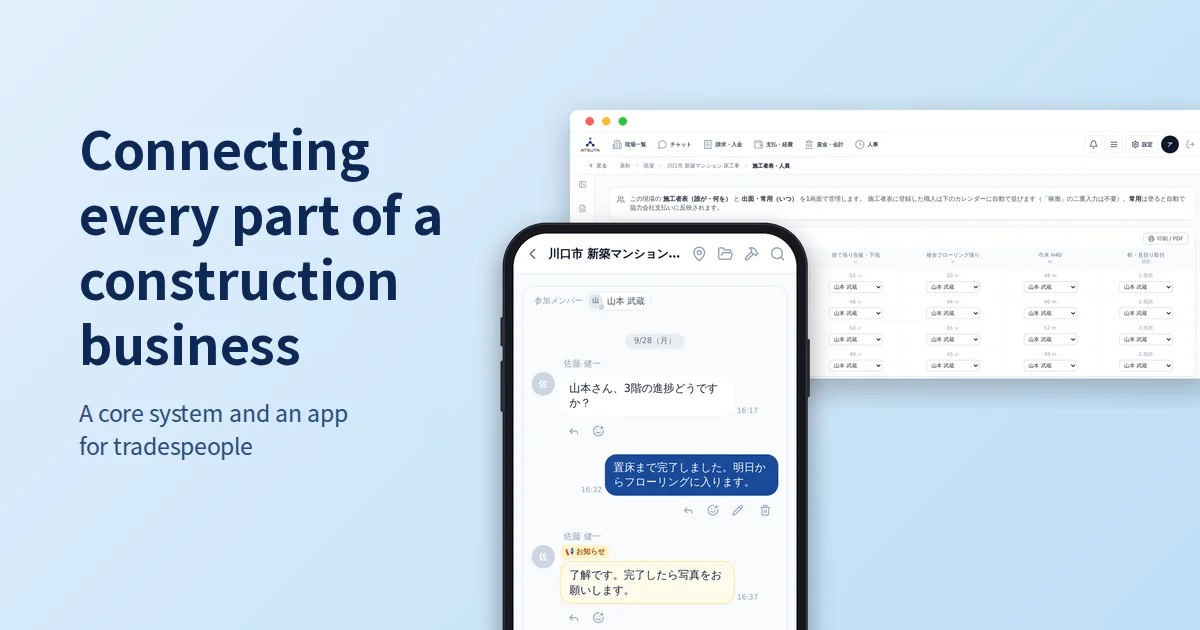
A Core Business System and Craftsperson App That Connect Every Operation of a Construction Company