
BLOG
Beyond the Screen: Two Days of Co-Creation in Kathmandu
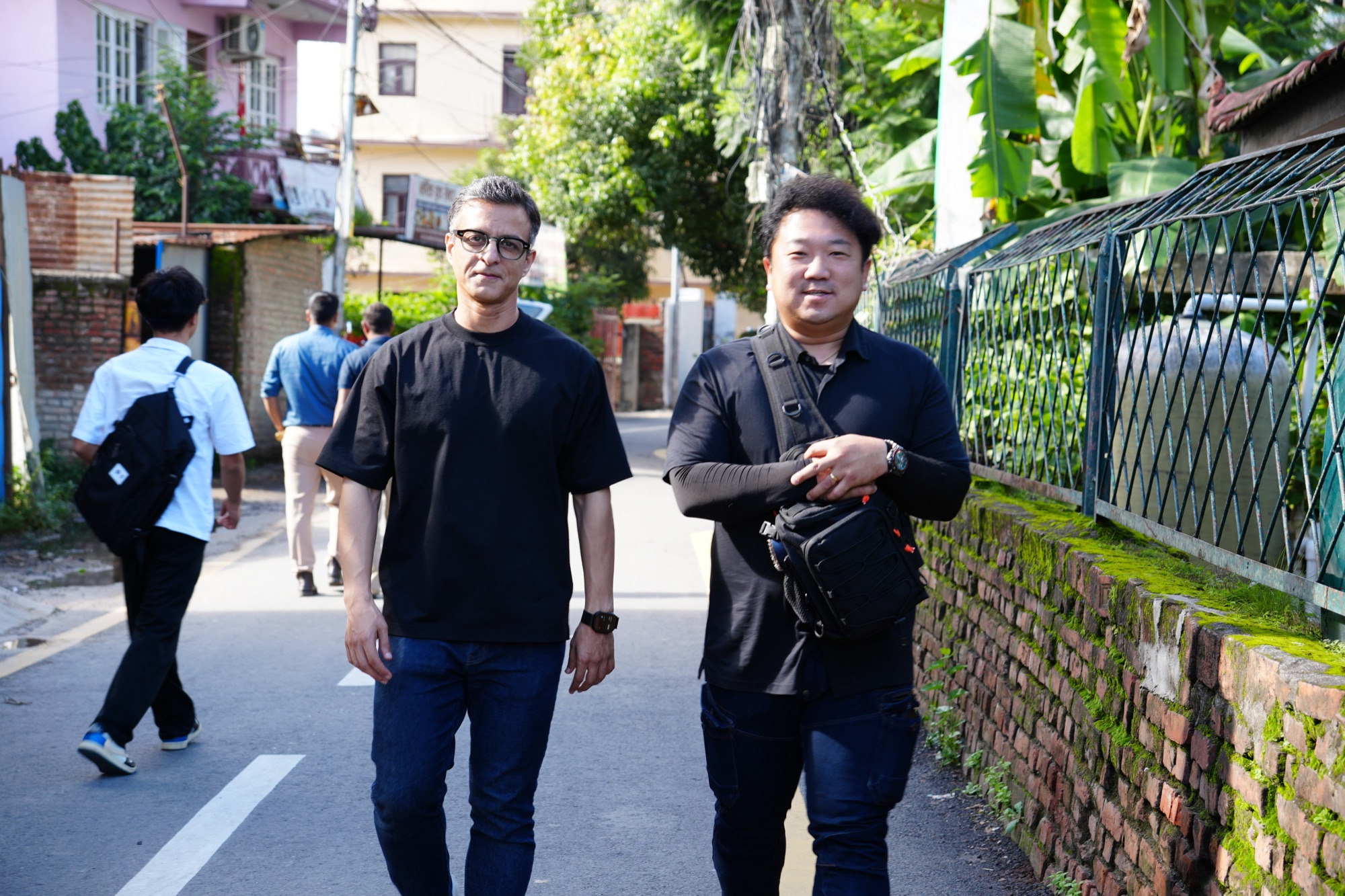
Most of our collaboration happens across a screen. Chat threads, video calls, documents passed back and forth between Japan and Nepal — it works, and it works well. But every so often, something happens that reminds us how much more is possible when people share the same room, the same table, and the same cup of tea.
This July, that something was a knock on the door in Kathmandu.
We had the pleasure of welcoming a delegation from ResiLinX Inc. for a two-day business trip. Leading the delegation was Takaya Kishimoto, CEO of ResiLinX. And here is the important part: ResiLinX is a co-creation partner — a business partner we are growing a new business with. Over these two days, they deepened their understanding of the business and the product by participating in group discussions with our development team on several business topics. That, more than anything else, is what this trip was about.
Here is how it unfolded.
Day 1 — One Room, Every Perspective
The first day began early, the way conference days do — projector checks, seating plans, a Wi-Fi password written carefully onto printed agendas. By nine in the morning, the conference room of a hotel in Kathmandu was filling up: the delegation from Japan, our development team, and invited guests from the local industry, all finding their seats over welcome tea.
There is a particular energy in a room like that. People who had only ever seen each other in small rectangles on a screen were suddenly shaking hands, comparing travel stories, laughing at the small confusions of first meetings.
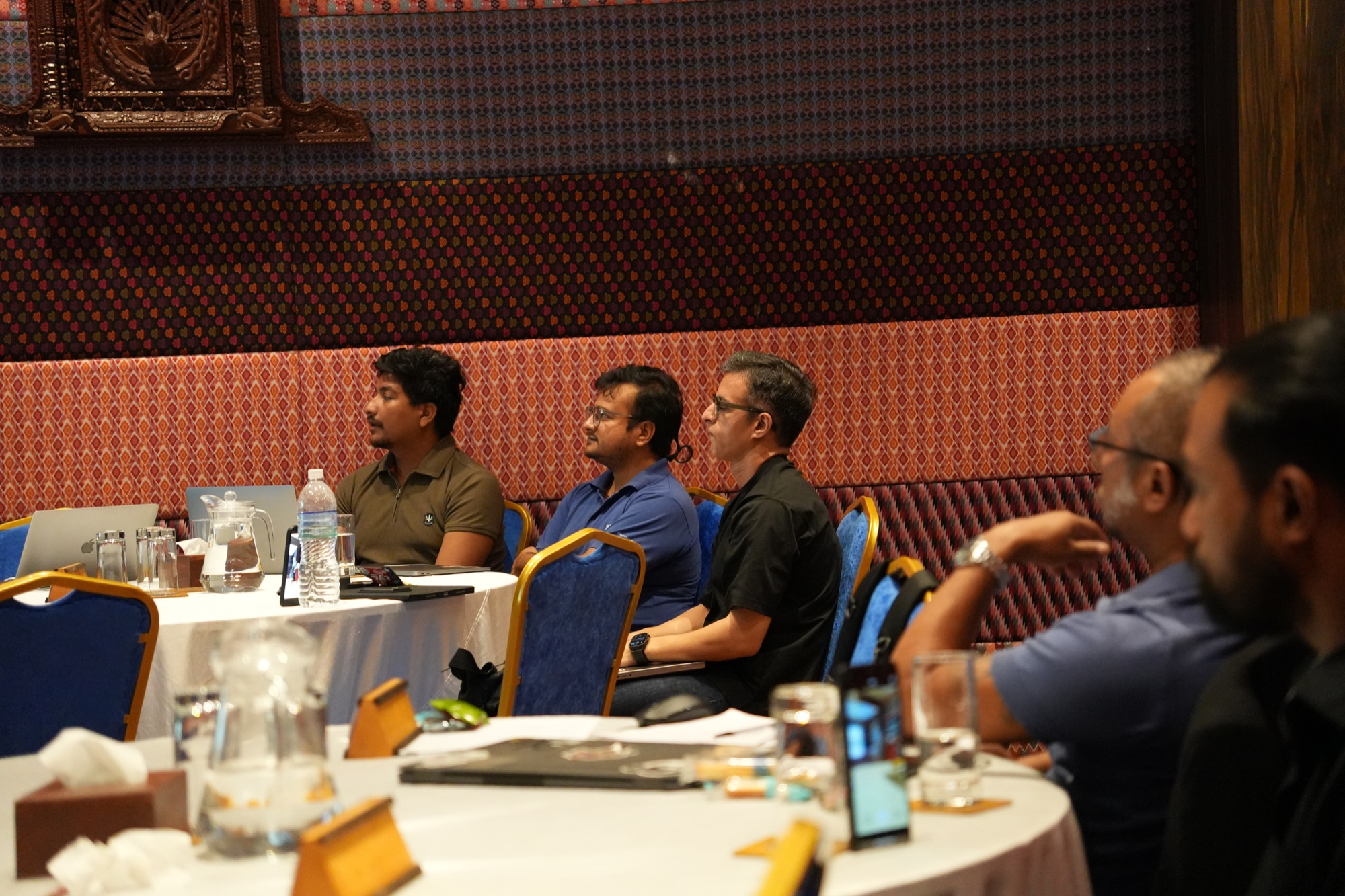
The morning belonged to ResiLinX. In a two-part briefing, Mr. Kishimoto walked the room through the vision and goals of the initiative, and the Project Manager followed with the concrete plan — where the business is headed, what the product needs to do, and why it matters. For many of our engineers, this was the first time hearing the "why" behind the work directly from the people who dreamed it up. You could see notes being taken that had nothing to do with code.
In the afternoon, the perspective shifted from vision to ground truth. Local practitioners — people who run real operations in the field this initiative touches — shared what actually works here: the constraints, the seasons, the surprises, the lessons that only come from doing. Plans always look different after someone who has lived the reality has finished speaking. This time was no exception, in the best way.
The Heart of the Day: Group Discussions
Then came the part we had been looking forward to most. The formal presentations gave way to open group discussions, and the room rearranged itself — delegation members and developers at the same tables, working through business topic after business topic together: market conditions, local suitability, regulations, and the shape of a potential pilot.
This is where the real deepening happened. A question about the market turned into a discussion about the product roadmap. A point about regulations reshaped an assumption the plan had quietly been carrying. Question by question, our partner's understanding of the business and the product grew sharper — and so did ours. By the time hi-tea arrived, abstract requirements had turned into a shared, concrete direction, complete with action items, owners, and deadlines.
We closed the day the traditional way: with a group photo everyone actually wanted to be in.
Day 2 — Out of the Conference Room, Into the Field
A business plan can survive a conference room. Whether it survives the field is another question entirely — so on day two, we went to find out.
The van left the hotel at 7:45 in the morning, and the day's route read like a tour of the whole Kathmandu valley: north first, then a sweep south, with the delegation resting between stops as the city slid past the windows.
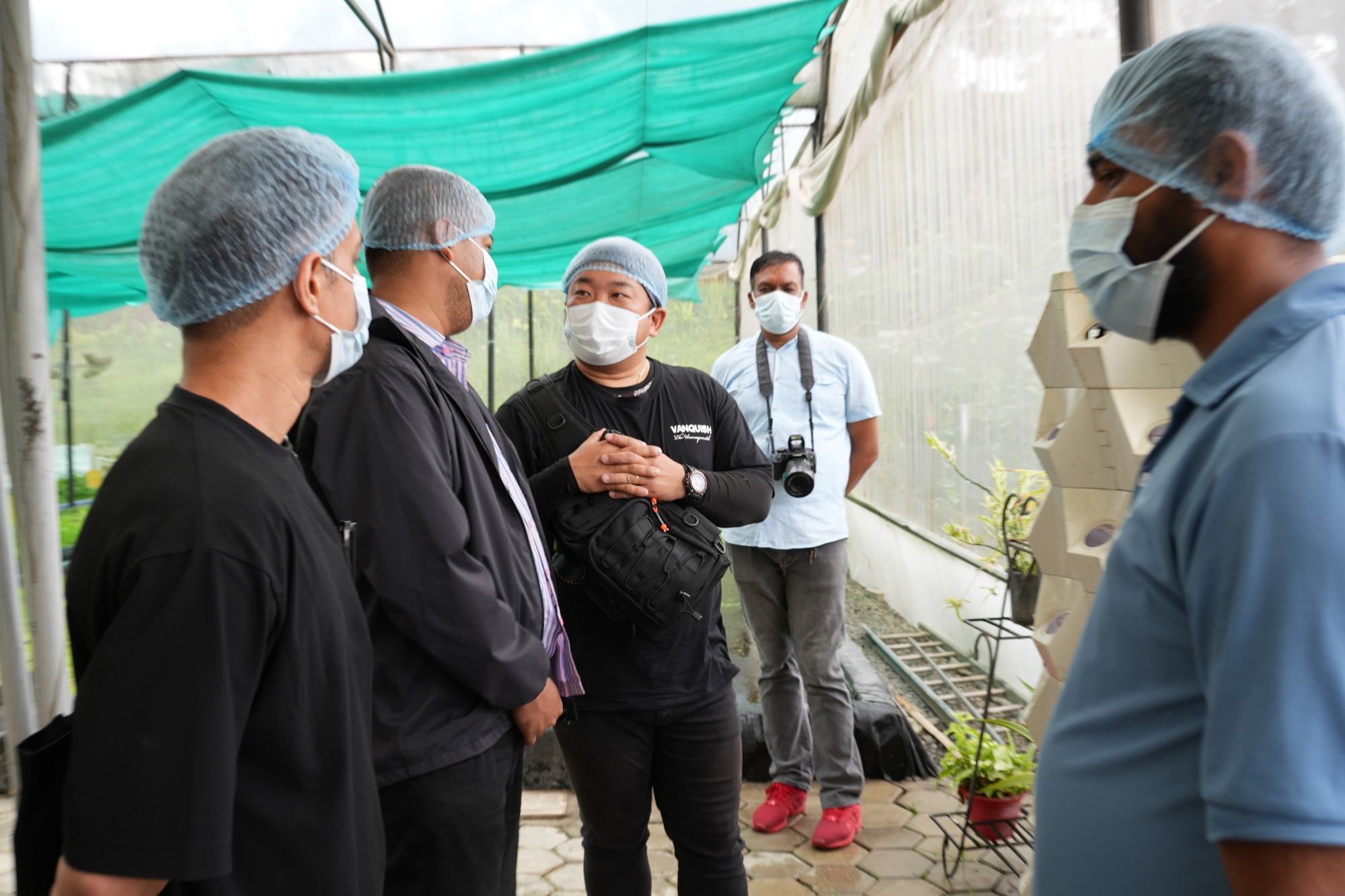
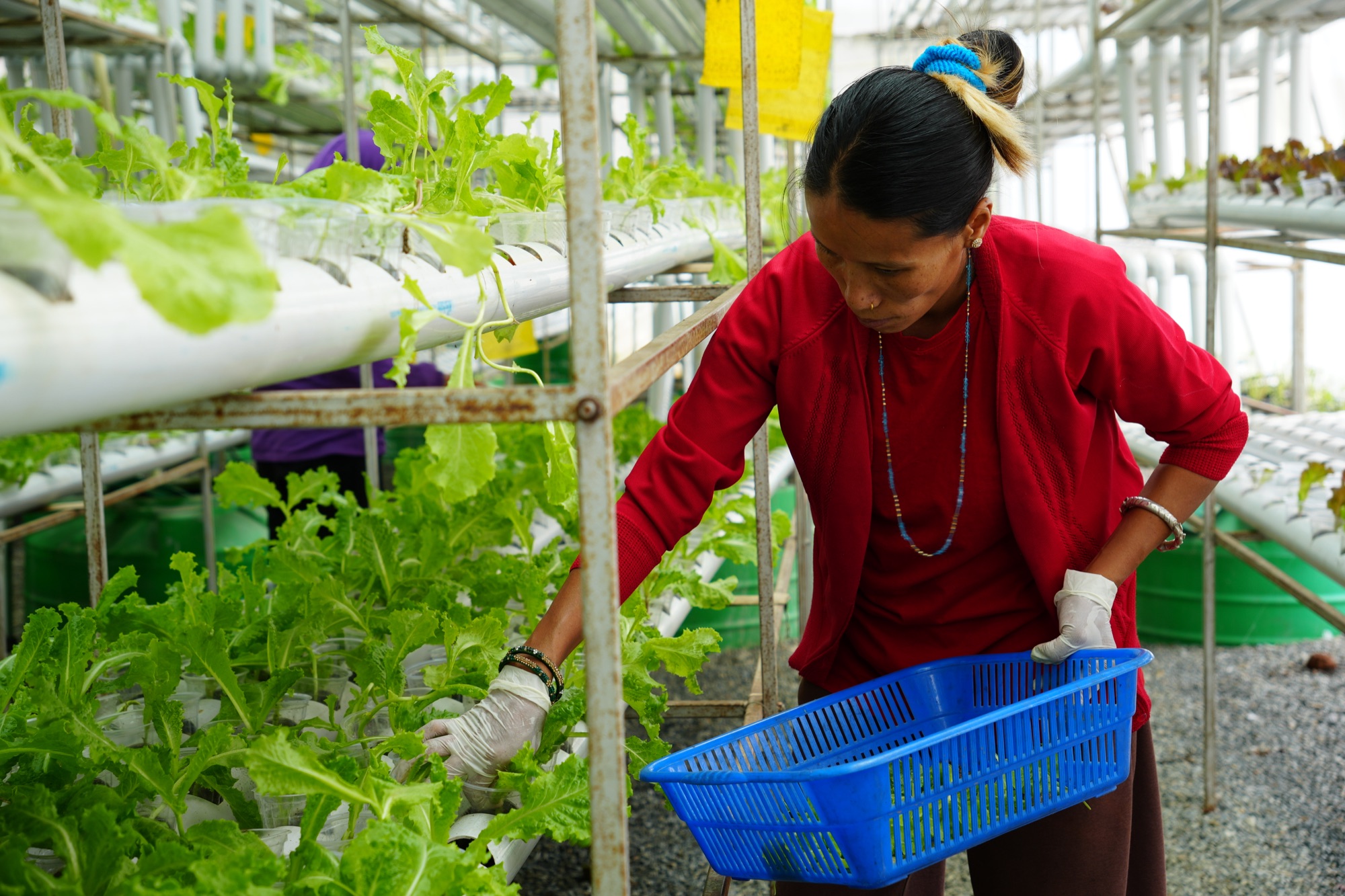
We visited local operations on both sides of the valley. There is something wonderful about watching a delegation that spent the previous day in slide decks suddenly put on hairnets and lean over the actual work — pointing, asking, comparing what they were seeing with what they had heard the day before. The discussions from Day 1 kept resurfacing in the field, but now with real examples standing right in front of us.
Between the site visits, we made time for the country itself. We climbed to Swayambhunath — where the panoramic view of the valley is free, but the resident monkeys will happily charge a fee of anything edible left in your hands — then wandered through Kathmandu Durbar Square and the old city of Patan, ending the evening with the aarati ceremony as lamps and chants closed the day by the river.
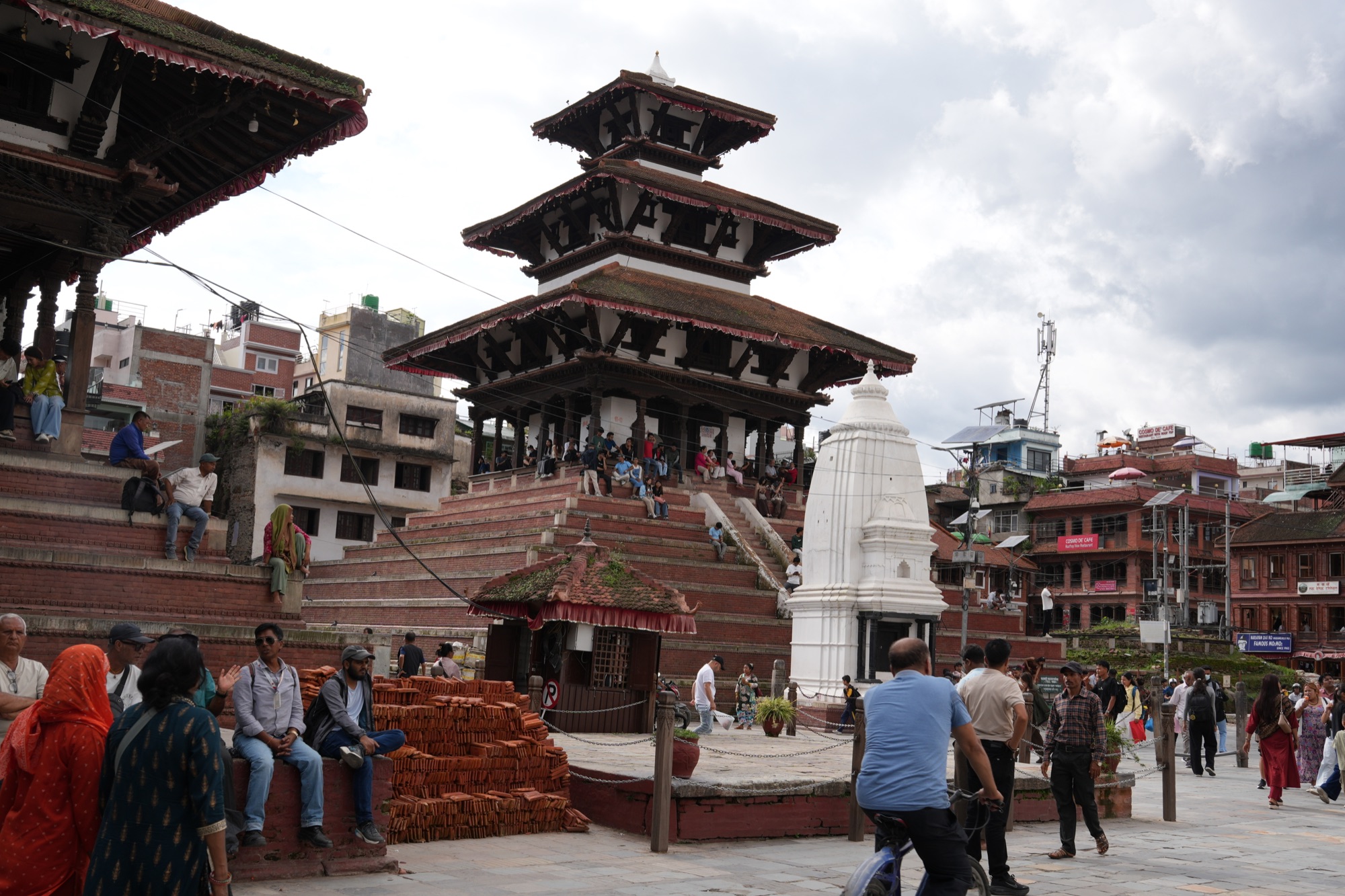
It might seem like a detour from a business trip. It wasn't. If you are going to build something for a place, you should feel the place — its pace, its people, its evenings. Watching our partner experience the country the business will grow in was, in its own way, another briefing.
What Two Days Together Actually Bought Us
It is tempting to measure a trip like this in meetings held and slides presented. But the real return is harder to put in a spreadsheet.
Co-creation works best when both sides share not just documents, but context. After two days of briefings, group discussions, field visits, monkey encounters, and long van rides with nothing to do but talk, the level of mutual understanding is simply different. Our partner flew home with a grounded view of the local landscape and a much closer relationship with the team building their product. We kept a much sharper picture of the business we are building together — and a set of decisions that would have taken weeks of video calls to reach.
The chat threads and video calls have already resumed. But they read differently now. Behind every message, there is a face, a shared joke, a memory of a temple courtyard or a greenhouse aisle. That is the quiet superpower of co-creation: the work gets better because the relationship did.
We are already looking forward to the next phase — and to the next visit.
Contact us if you are considering building a product with a co-creation partner.